Blue Sapphire Buying Guide: How to Choose the Perfect Natural Blue Sapphire
Blue sapphires have captivated royalty, collectors, and gemstone enthusiasts for centuries. Renowned for their mesmerizing deep blue color, exceptional durability, and timeless elegance
August 1, 2026 · 5 min read
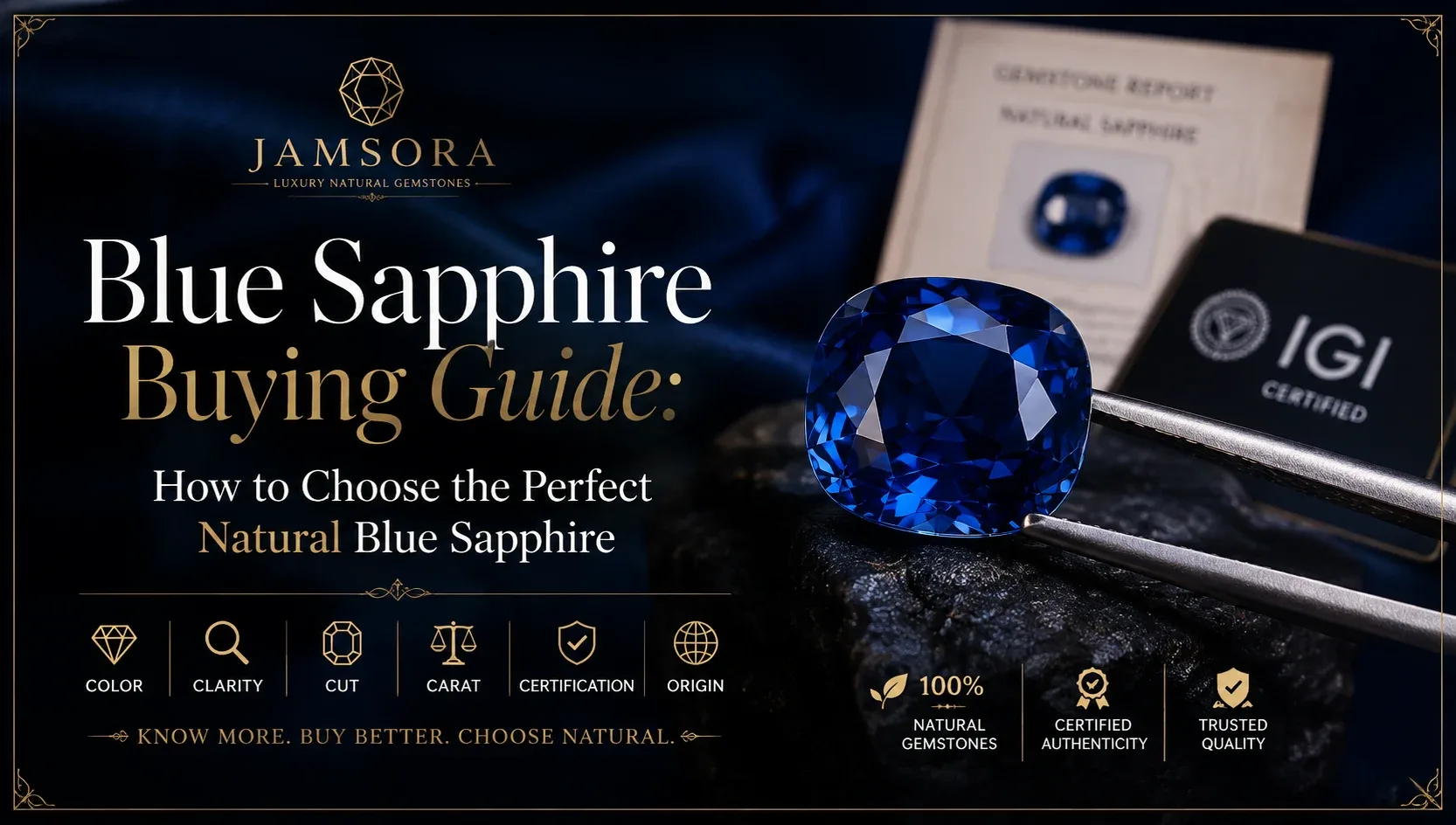
Blue sapphires have captivated royalty, collectors, and gemstone enthusiasts for centuries. Renowned for their mesmerizing deep blue color, exceptional durability, and timeless elegance, natural blue sapphires remain one of the world's most sought-after precious gemstones.
Whether you're purchasing your first loose gemstone, investing in a rare collector's piece, or selecting a stone for a custom jewelry design, understanding what makes a high-quality blue sapphire is essential. This comprehensive buying guide will help you confidently choose the perfect natural blue sapphire while avoiding common mistakes.
What Is a Blue Sapphire?
Blue sapphire is the blue variety of the mineral corundum (Al₂O₃). It ranks 9 on the Mohs hardness scale, making it one of the hardest natural gemstones after diamond.
Its outstanding durability makes it suitable for everyday wear, while its brilliant color symbolizes wisdom, loyalty, truth, and prosperity. Natural blue sapphires are found in several countries, including:
- Sri Lanka (Ceylon)
- Kashmir
- Myanmar (Burma)
- Madagascar
- Thailand
- Australia
- Tanzania
Each origin produces sapphires with unique characteristics and color tones.
Why Are Natural Blue Sapphires So Valuable?
Several factors contribute to the value of a blue sapphire.
1. Exceptional Color
Color is the single most important factor affecting price. The finest blue sapphires display:
- Rich royal blue or vivid cornflower blue
- Medium to medium-dark tone
- Strong color saturation
- Excellent color consistency
Stones that appear overly dark may look almost black under indoor lighting, while pale stones generally command lower prices.
2. Clarity
Unlike diamonds, blue sapphires naturally contain inclusions. A high-quality sapphire should appear eye-clean, bright, transparent, and free from major visible fractures. Tiny natural inclusions are often evidence that the stone is natural rather than synthetic.
3. Cut
An expertly cut sapphire maximizes brightness, color distribution, sparkle, and symmetry. Popular cuts include oval, cushion, emerald cut, round, pear, and princess. Oval sapphires remain one of the most popular choices due to their excellent balance between brilliance and carat appearance.
4. Carat Weight
Larger natural sapphires become increasingly rare. Typical buying ranges include:
- 1–2 carats: Everyday luxury
- 2–5 carats: Fine collector quality
- 5+ carats: Premium investment-grade gemstones
Price increases exponentially as size increases while maintaining excellent color and clarity.
Heated vs. Unheated Blue Sapphire
One of the most important buying decisions involves gemstone treatment.
Heated Blue Sapphire
Heat treatment is widely accepted within the gemstone industry to improve color and clarity, offering greater affordability, an attractive appearance, and wider availability.
Unheated Blue Sapphire
Unheated sapphires retain their natural beauty without enhancement, offering higher rarity, greater collector value, and increased investment potential — making them preferred by many gemstone enthusiasts. Because of their rarity, untreated blue sapphires typically command significantly higher prices.
Understanding Sapphire Origins
Although origin alone does not determine quality, it can significantly influence value.
Kashmir Sapphire
Known for its legendary velvety cornflower blue color, Kashmir sapphires are among the rarest and most valuable in the world.
Sri Lankan (Ceylon) Sapphire
Celebrated for their bright, lively blue color and exceptional brilliance, Ceylon sapphires remain one of the most desirable choices.
Madagascar Sapphire
Offers excellent quality across a wide range of colors while providing outstanding value.
Australian Sapphire
Generally displays darker blue tones and is appreciated for its durability and affordability.
Should You Buy a Certified Blue Sapphire?
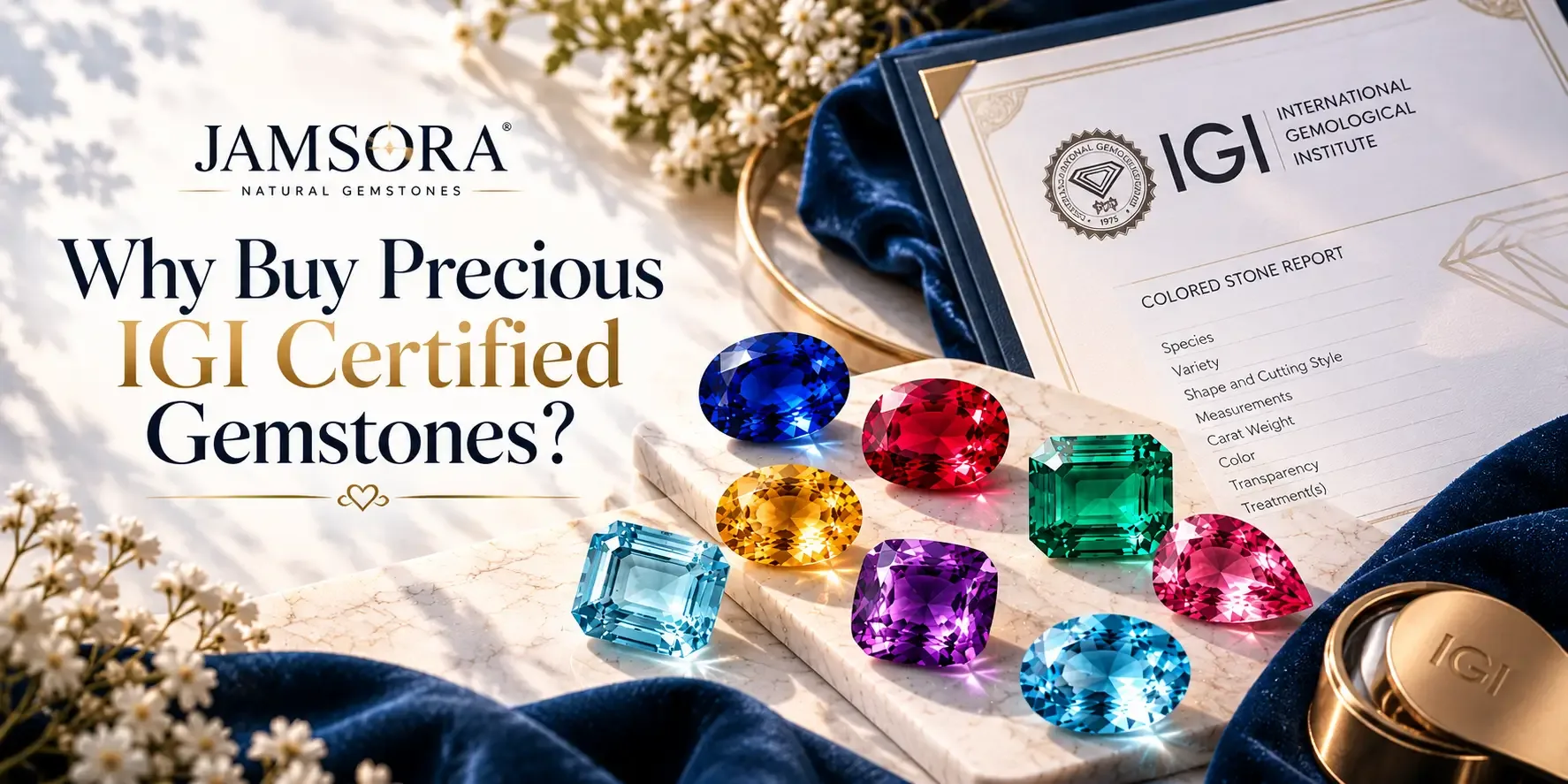
Absolutely. Certification provides independent verification of natural origin, treatment status, species identification, weight, measurements, and additional gemstone characteristics. Always purchase gemstones accompanied by a trusted laboratory certificate for greater confidence and transparency.
How to Judge Blue Sapphire Quality
Professionals evaluate blue sapphires using the "Four Cs":
- Color: The most influential value factor.
- Clarity: Fewer visible inclusions generally increase value.
- Cut: Excellent proportions enhance brilliance and color.
- Carat: Larger gemstones with premium quality are considerably rarer.
Balancing all four characteristics is key to finding the best gemstone within your budget.
Common Mistakes Buyers Should Avoid
Many first-time buyers make avoidable mistakes. Avoid purchasing based solely on:
- Low price
- Carat size
- Online photos alone
- Lack of certification
- Unverified treatment claims
Always request detailed gemstone images, videos, certification, and seller transparency before making a purchase.
Are Blue Sapphires a Good Investment?
High-quality natural blue sapphires have historically demonstrated strong long-term value. Investment-grade stones generally possess natural origin, excellent color, high clarity, superior cut, minimal or no treatment, and reliable certification. While gemstone values can fluctuate, exceptionally rare blue sapphires continue to attract collectors worldwide.
Caring for Your Blue Sapphire
Proper care helps preserve your gemstone's beauty for generations.
- Clean with warm water and mild soap.
- Use a soft brush to remove dirt.
- Avoid harsh chemicals.
- Store separately from other gemstones to prevent scratches.
- Have settings inspected periodically if mounted in jewelry.
Why Buy a Loose Blue Sapphire?
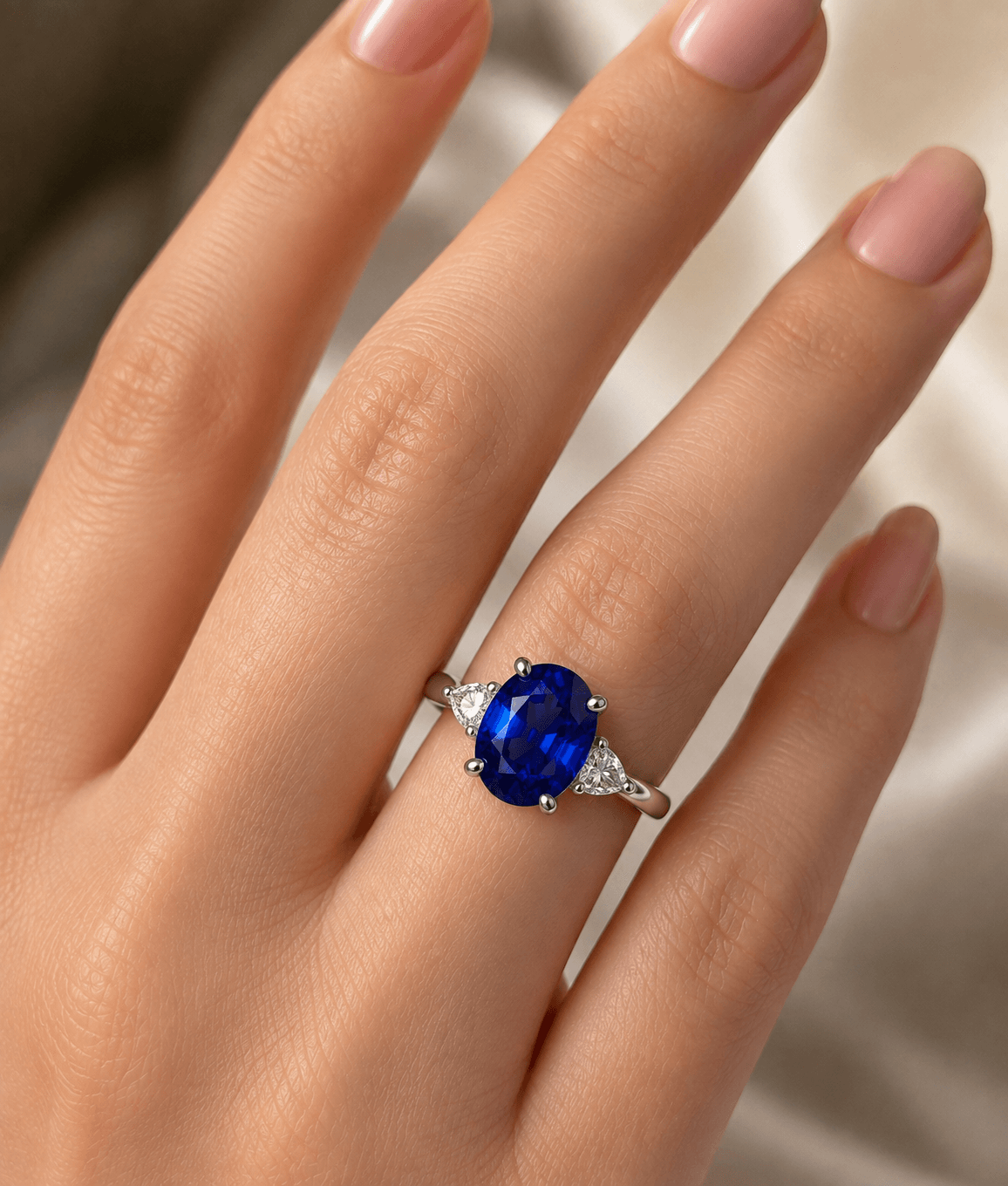
Purchasing a loose gemstone offers several advantages: freedom to create custom jewelry, easier quality inspection, greater pricing transparency, better comparison before purchase, and long-term collecting and investment opportunities. Loose sapphires are ideal for rings, pendants, earrings, bracelets, or as collectible gemstones.
Frequently Asked Questions
Is a natural blue sapphire better than a synthetic sapphire?
Natural blue sapphires are formed over millions of years in nature and are generally more valuable than synthetic alternatives due to their rarity.
Is heat treatment acceptable?
Yes. Heat treatment is a common and widely accepted enhancement within the gemstone industry. However, untreated stones are rarer and often command higher prices.
Which origin is best?
Each origin offers unique characteristics. Kashmir and Sri Lankan (Ceylon) sapphires are particularly renowned, though exceptional sapphires can come from many sources.
Can I wear a blue sapphire every day?
Yes. With a hardness of 9 on the Mohs scale, blue sapphire is highly durable and suitable for everyday wear.
How can I verify authenticity?
Always purchase from a reputable seller who provides an independent gemstone certification and clear disclosure of any treatments.
Find Your Blue Sapphire at Jamsora
A natural blue sapphire is more than just a beautiful gemstone — it is a symbol of elegance, durability, and enduring value. By understanding color, clarity, cut, carat weight, treatment, origin, and certification, you can make an informed decision and choose a gemstone that suits your style, purpose, and budget.
At JAMSORA, we believe every gemstone should tell a story. Our carefully curated collection of natural loose blue sapphires is selected for quality, authenticity, and craftsmanship. Browse our certified Blue Sapphire collection to find a gemstone you'll treasure for years to come.
Related Topics
- Blue Sapphire
- Sapphire Buying Guide
- Ceylon Sapphire
- Kashmir Sapphire
- Heated vs Unheated Sapphire
- Sapphire Certification
- Natural Sapphire
- September Birthstone
- Loose Gemstones
Ready to find your own gemstone?
Shop Certified Gemstones