Is Sapphire Good for Engagement Rings?
Why a Natural Sapphire Can Be a Beautiful and Meaningful Alternative to Diamond
September 10, 2026 · 14 min read
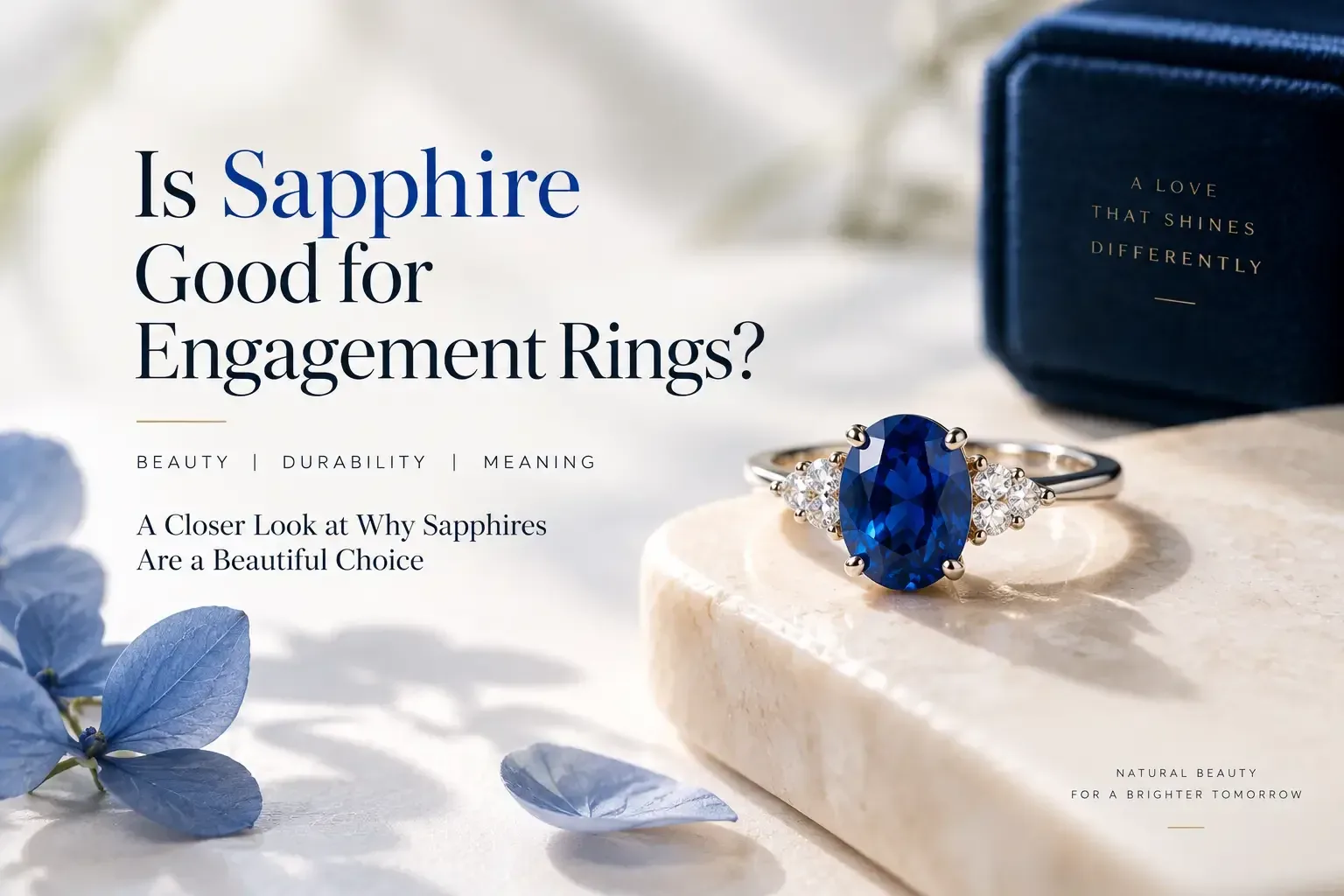
When people think about engagement rings, a diamond is usually the first gemstone that comes to mind. But it is not the only option.
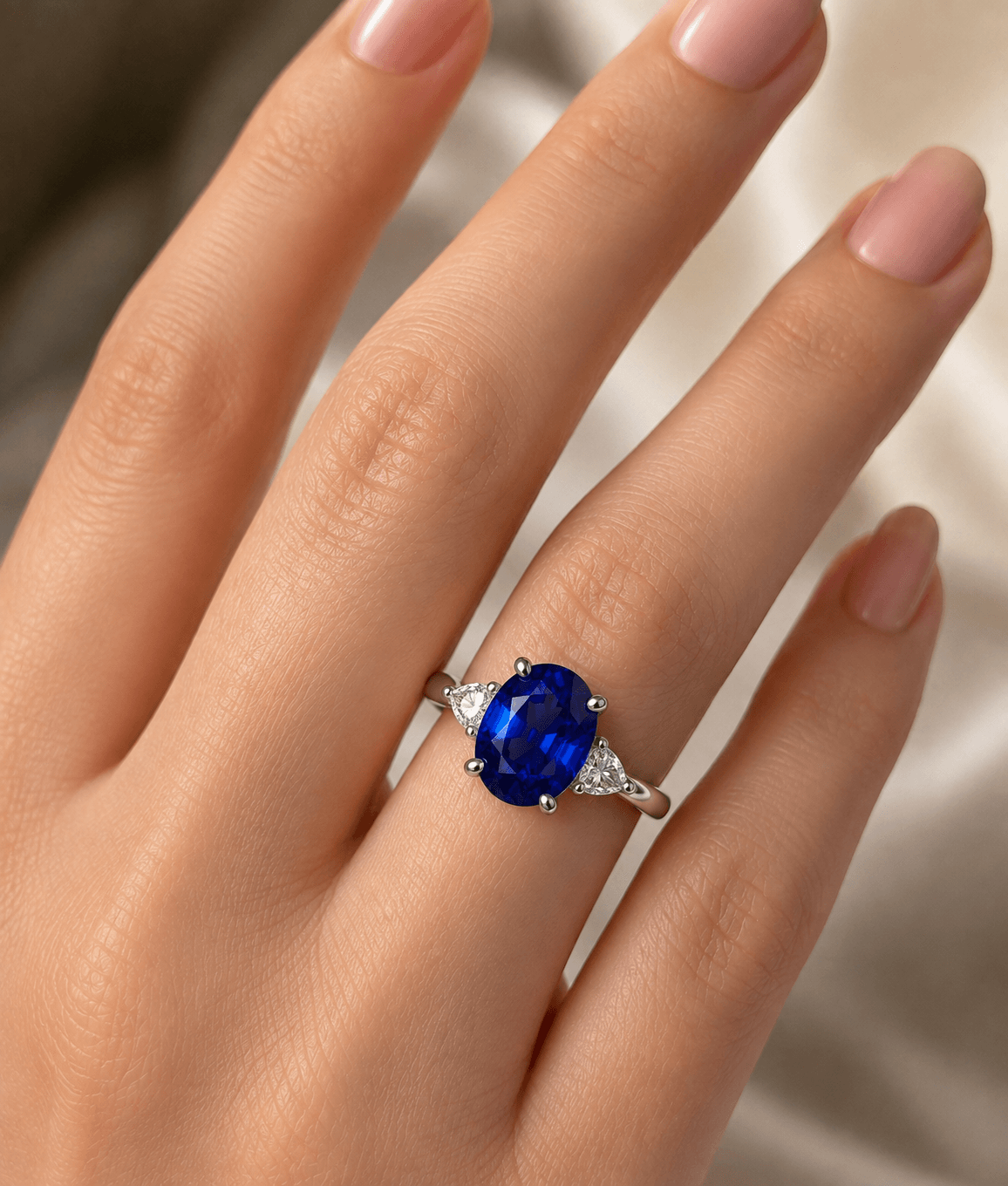
Natural sapphire has become a popular choice for couples who want an engagement ring with a little more color, personality, and individuality. Its rich blue appearance, excellent durability, and long history in fine jewelry make it particularly well suited to a ring that is meant to be worn every day.
So, is sapphire good for an engagement ring?
Yes. A high-quality natural sapphire can be an excellent choice for an engagement ring, especially when it is carefully selected and properly set.
There are, however, a few things worth understanding before buying one. Sapphire quality can vary considerably, and factors such as color, cut, treatment, clarity, and the ring setting all affect the final result.
This guide explains what makes sapphire suitable for engagement rings and how to choose a stone that you will be happy to wear for years to come.
Why Choose Sapphire for an Engagement Ring?
Sapphire offers something that many couples want from an engagement ring: a combination of beauty and individuality.
A blue sapphire has a distinctive appearance that immediately separates it from a traditional diamond ring. At the same time, sapphire is durable enough for everyday jewelry.
Sapphire belongs to the corundum mineral family and has a Mohs hardness of 9, making it one of the hardest natural gemstones. GIA also describes sapphire as having good toughness and no cleavage, making it a suitable choice for rings and other jewelry designed for daily wear.
For couples who want something classic but not ordinary, sapphire can offer a very good balance.
Is Sapphire Durable Enough for Everyday Wear?
This is one of the most important questions when choosing a gemstone engagement ring.
An engagement ring is normally worn frequently, so the gemstone needs to withstand regular contact with clothing, surfaces, and other objects.
Sapphire performs well in this area.
Sapphire's durability comes from three important characteristics:
- Hardness – resistance to scratching
- Toughness – resistance to breaking or chipping
- Stability – resistance to heat, light, and chemicals
Sapphire scores particularly well for everyday jewelry. GIA ranks sapphire at 9 on the Mohs scale and notes that corundum has good toughness and no cleavage.
This doesn't mean a sapphire ring is impossible to damage. Any gemstone can be chipped or damaged by a sufficiently hard impact.
A well-designed setting is therefore still important.
Blue Sapphire: The Classic Choice
When people think of a sapphire engagement ring, they usually imagine a deep blue gemstone.
Blue sapphire remains the most recognized and popular sapphire color.
Fine blue sapphires can range from lighter blue to intense, saturated shades. GIA notes that the most highly valued blue sapphires tend toward velvety blue to violetish-blue, with medium to medium-dark tones and strong to vivid saturation.
The ideal shade, however, ultimately comes down to personal preference.
Some people prefer:
- Deep royal blue
- Medium vivid blue
- Cornflower-style blue
- Slightly violetish blue
- Lighter, brighter blue
The important thing is that the color looks attractive and lively rather than overly dark or dull.
Sapphire Isn't Only Blue
One of the advantages of choosing sapphire is the incredible range of colors available.
Sapphire can occur in:
- Blue
- Pink
- Yellow
- Orange
- Green
- Purple
- Violet
- Colorless
- Other fancy colors
GIA notes that sapphire occurs in many colors, with blue being the most familiar variety.
This means a sapphire engagement ring can be very personal.
Pink Sapphire
A beautiful choice for someone who prefers a softer and more romantic appearance.
Yellow Sapphire
Warm, bright, and distinctive, especially in yellow or rose gold settings.
Padparadscha Sapphire
A rare pinkish-orange to orangy-pink sapphire that is highly sought after when the color meets accepted criteria.
Fancy-Color Sapphire
An excellent option for someone who wants an engagement ring that feels different from traditional designs.
Sapphire vs Diamond for an Engagement Ring
Both gemstones can make excellent engagement rings, but they offer very different appearances.
| Feature | Sapphire | Diamond |
|---|---|---|
| Typical Color | Blue and many other colors | Usually colorless |
| Mohs Hardness | 9 | 10 |
| Appearance | Rich color and brilliance | Strong brilliance and fire |
| Personality | Distinctive and colorful | Classic and traditional |
| Price | Wide range depending on quality | Wide range depending on quality |
| Uniqueness | High | Traditional |
| Everyday Wear | Excellent | Excellent |
The choice is ultimately personal.
If you love the traditional look of a colorless gemstone, diamond may be the right choice.
If you want color, character, and something less conventional, sapphire is worth serious consideration.
What Makes a Good Sapphire for an Engagement Ring?
Not every sapphire is equally suitable.
When selecting a sapphire for an engagement ring, pay close attention to several factors.
1. Color
Color is generally the most important quality factor for sapphire.
Look for a gemstone with:
- Attractive hue
- Good saturation
- Balanced tone
- Even overall appearance
- Good brightness
A sapphire that is too dark can lose some of its visual brightness, while a weakly saturated stone may look less impressive.
GIA specifically recommends paying close attention to color and notes that overly dark colors can compromise brightness.
2. Cut
Cut can make a major difference in how a sapphire looks.
A well-cut sapphire should interact with light in a lively way and show attractive brilliance across the stone.
Popular sapphire shapes for engagement rings include:
- Oval
- Cushion
- Round
- Emerald cut
- Pear
- Marquise
- Princess or square cuts
Oval and cushion shapes are particularly common for sapphire because they can create an elegant appearance while displaying strong color.
GIA advises buyers not to compromise on cut because cutting quality has a significant effect on a sapphire's beauty and brilliance.
3. Clarity
Sapphires commonly contain natural inclusions.
This is not necessarily a problem.
In fact, finding a completely inclusion-free natural sapphire can be unusual.
The important question is whether the inclusions affect the gemstone's:
- Beauty
- Transparency
- Durability
GIA notes that blue sapphires often contain inclusions and that prices can decrease when inclusions threaten durability.
For an engagement ring, look for a sapphire that appears attractive to the naked eye rather than trying to find a completely flawless stone.
4. Carat Weight
Sapphire does not need to be a certain carat weight to look beautiful.
A well-cut 1.5-carat sapphire may look more attractive than a poorly cut 2-carat sapphire.
When shopping online, pay attention to the gemstone's millimeter measurements, not just its carat weight.
Two gemstones with the same weight can have different proportions and face-up sizes.
Natural vs Lab-Grown Sapphire
If you are buying a sapphire engagement ring, you should know whether the stone is natural or laboratory-grown.
Natural Sapphire
A natural sapphire formed through geological processes inside the Earth.
Laboratory-Grown Sapphire
A sapphire created in a controlled laboratory environment.
Laboratory-grown sapphire has the same basic chemical and crystal identity as natural sapphire, but it does not have the same geological rarity.
Neither choice is inherently wrong.
The important thing is that the seller clearly tells you which one you are buying.
If you specifically want a natural sapphire, make sure that the gemstone's origin is properly disclosed and, for a significant purchase, consider independent laboratory documentation.
Heated vs Unheated Sapphire
Treatment is another important consideration.
Heat treatment is common in the sapphire market and is an accepted enhancement when properly disclosed. It can improve the gemstone's color and appearance.
Heated Sapphire
A heated sapphire can be an excellent choice for an engagement ring.
Advantages may include:
- Attractive color
- Good availability
- Wider selection
- More accessible pricing compared with comparable unheated stones
- Unheated Sapphire
An unheated sapphire has no evidence of heat treatment.
Fine-quality unheated sapphires are rarer and can command a significant premium.
For a high-value sapphire, an independent laboratory report can be particularly useful in confirming treatment status. GIA notes that confirmation of no evidence of heat can add to the rarity and value of fine-quality sapphire.
Why Treatment Disclosure Matters
Not every sapphire treatment has the same effect on value or care.
Sapphires can undergo treatments such as:
- Heat treatment
- Lattice diffusion
- Fracture filling
- Dyeing
Some treated stones require more careful handling than untreated or conventionally heat-treated sapphire.
For example, GIA recommends special care for fracture-filled and dyed sapphires.
Before buying an engagement ring, always ask:
- Is the sapphire treated?
- If yes, what treatment was used?
This information should be clearly disclosed by the seller.
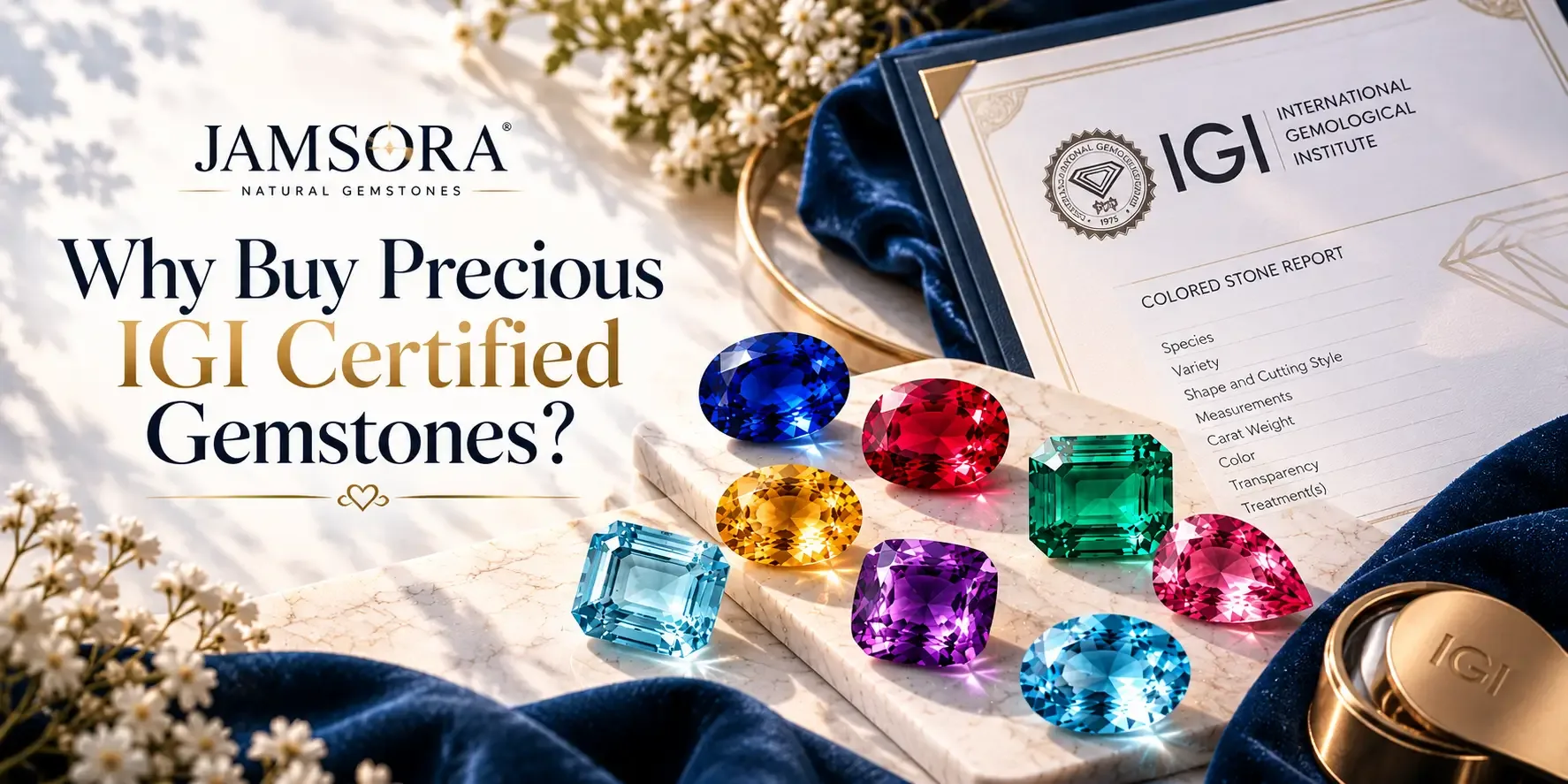
Should You Buy a Certified Sapphire?
For a valuable sapphire, certification can provide useful peace of mind.
A reputable gemological laboratory can examine the stone and report characteristics such as:
- Natural or laboratory-grown status
- Gemstone identity
- Weight
- Measurements
- Color
- Cutting style
- Detectable treatments
- Geographic origin, when determinable
GIA reports can provide this type of information for colored gemstones, including treatment information and, when possible, an opinion on geographic origin.
Certification doesn't automatically make a gemstone better.
Its value is in helping you understand what you're actually buying.
Which Sapphire Shape Is Best for an Engagement Ring?
There isn't one universally best shape.
It depends on the person's style and the sapphire itself.
Oval Sapphire
Elegant and versatile.
An oval sapphire works particularly well for classic engagement ring designs.
Cushion Sapphire
Soft corners give it a romantic and slightly vintage appearance.
Emerald Cut Sapphire
Best for someone who prefers clean lines and understated sophistication.
Round Sapphire
Classic and balanced, with strong brilliance when well cut.
Pear Sapphire
Distinctive and graceful, particularly attractive in custom designs.
Marquise Sapphire
Elongated and dramatic, with a strong visual presence.
The most important thing is to choose a shape that complements the gemstone's natural characteristics.
What Setting Is Best for a Sapphire Engagement Ring?
The setting should protect the sapphire while allowing enough light to reach it.
Popular choices include:
- Solitaire
- Halo
- Three-stone
- Bezel
- Vintage-inspired settings
- Side-stone designs
For someone with an active lifestyle, a secure and relatively protective setting can be a practical choice.
GIA similarly recommends considering the wearer's lifestyle when selecting an engagement ring setting.
A lower-profile design may be less likely to catch on clothing or receive accidental knocks.
Should You Choose a Diamond Halo With Sapphire?
A sapphire surrounded by diamonds is one of the most recognizable colored gemstone engagement ring styles.
The contrast between the colored center stone and colorless diamonds can make the sapphire appear even more vivid.
A halo can work especially well with:
- Oval sapphire
- Cushion sapphire
- Round sapphire
- Pear sapphire
However, a sapphire does not need diamonds around it to look luxurious.
A simple solitaire can allow the gemstone's natural color to remain the focus.
Sapphire Engagement Rings and Personal Style
One of the biggest advantages of sapphire is its ability to suit different personalities.
For a Classic Style
Choose a deep blue oval sapphire in a simple setting.
For a Vintage Look
Consider a cushion sapphire with intricate metalwork.
For a Modern Style
Try an emerald-cut sapphire with a clean, minimal setting.
For Something Romantic
Pink sapphire or a blue sapphire surrounded by diamonds can create a softer appearance.
For Something Unique
Consider an unusual fancy-color sapphire or an uncommon gemstone shape.
How Much Does a Sapphire Engagement Ring Cost?
There is no standard price for a sapphire engagement ring.
The cost can vary considerably depending on:
- Sapphire quality
- Color
- Carat weight
- Treatment
- Origin
- Certification
- Cut
- Metal
- Diamonds or other accent stones
- Craftsmanship
A high-quality natural sapphire can range from relatively accessible to extremely valuable.
The price should always be considered in relation to the quality of the individual gemstone, rather than simply its carat weight.
Is a Sapphire Engagement Ring a Good Long-Term Choice?
Yes, provided you choose a good-quality sapphire and a suitable setting.
Sapphire's durability makes it one of the better colored gemstones for a ring that will be worn regularly. GIA specifically identifies sapphire as a good choice for daily-wear jewelry.
With proper care, a sapphire engagement ring can remain beautiful for many years and potentially become a family heirloom.
How to Care for a Sapphire Engagement Ring
Sapphire is relatively easy to maintain.
For most untreated and heat-treated sapphires, warm soapy water is a safe cleaning method.
Simple Care Tips
- Clean with warm water and mild soap.
- Use a soft brush when appropriate.
- Avoid harsh chemicals.
- Store the ring separately from softer gemstones.
- Check the setting and prongs periodically.
- Have the ring professionally inspected when necessary.
If the sapphire has received a special treatment such as fracture filling or dyeing, ask your jeweler about the appropriate cleaning method.
What Should You Ask Before Buying a Sapphire Engagement Ring?
Before making a purchase, ask the seller:
Is the sapphire natural?
Make sure this is clearly stated.
Has the sapphire been treated?
Ask specifically about heat and other treatments.
Does it have a laboratory report?
For higher-value sapphires, independent documentation is worth considering.
Where did the sapphire come from?
If origin matters to you, ask whether it has been independently determined.
What are the exact measurements?
Measurements help you understand how large the gemstone will actually look.
What is the return policy?
This is especially important when buying an engagement ring online.
Can I see detailed photographs and videos?
High-quality images and videos can help you evaluate color, transparency, and cut before purchasing.
Natural Sapphire vs Diamond: Which Should You Choose?
The answer comes down to what matters most to you.
Choose a diamond if you want:
- Traditional engagement ring styling
- Maximum hardness
- Classic colorless appearance
- Familiar symbolism
Choose a natural sapphire if you want:
- Rich color
- A distinctive appearance
- Strong durability
- A gemstone with a long history
- Something less conventional
- A meaningful alternative to diamond
There is no wrong choice.
An engagement ring should reflect the person wearing it, not simply follow a tradition.
Is Blue Sapphire a Good Engagement Ring Stone?
Yes.
Blue sapphire combines many qualities that make it suitable for engagement rings: strong durability, distinctive color, long-standing popularity, and a wide range of styles.
It can be classic without being ordinary.
It can be elegant without being predictable.
And because every natural sapphire has its own combination of color, inclusions, proportions, and character, the finished ring can feel genuinely personal.
Final Thoughts
Choosing an engagement ring is a personal decision, and there is no rule that says it has to feature a diamond.
A natural sapphire can be an excellent choice for couples who want something colorful, durable, and distinctive.
The key is to choose the right sapphire, not simply a sapphire.
Pay attention to:
- Color.
- Cut.
- Clarity.
- Carat weight.
- Treatment.
- Natural origin.
- Certification.
- Setting.
A beautiful sapphire in a secure, well-designed setting can become much more than an engagement ring. It can become a piece of jewelry that carries a story through generations.
At JAMSORA, the focus should be on helping buyers understand the gemstone before they make a decision. Whether you prefer a classic blue sapphire, a romantic pink sapphire, or a rare fancy-color stone, choosing carefully allows the natural character of the gemstone to become part of your story.
Because the perfect engagement ring isn't always the most traditional one. It's the one that feels right for you.
Frequently Asked Questions
Is sapphire durable enough for an engagement ring?
Yes. Sapphire has a Mohs hardness of 9 and good toughness, making it one of the more durable colored gemstones for everyday ring wear.
Is blue sapphire better than diamond for an engagement ring?
Neither is universally better. Diamond offers a traditional colorless appearance and greater hardness, while sapphire provides distinctive color and excellent durability.
Can I wear a sapphire engagement ring every day?
Yes. Sapphire is well suited to everyday jewelry, although the ring should still be treated with reasonable care.
Is an unheated sapphire better for an engagement ring?
Not necessarily. Unheated sapphires can be rarer and more valuable, but a high-quality heated sapphire can also be an excellent choice for an engagement ring.
Should I buy a natural sapphire for an engagement ring?
If natural origin is important to you, yes. Just make sure the seller clearly discloses whether the sapphire is natural or laboratory-grown.
What is the best sapphire color for an engagement ring?
For blue sapphire, look for a color that is vivid, attractive, and bright rather than excessively dark. The ideal shade ultimately depends on personal preference.
What is the best sapphire cut for an engagement ring?
Oval, cushion, round, emerald, pear, and marquise can all work beautifully. The best choice depends on the gemstone's quality and the wearer's personal style.
Does sapphire scratch easily?
Sapphire is highly resistant to scratching because it ranks 9 on the Mohs scale. However, it can still be scratched by materials harder than it, particularly diamond.
How should I clean a sapphire engagement ring?
For most untreated and heat-treated sapphires, warm soapy water is a safe cleaning method. Specially treated stones may require different care.
Is a sapphire engagement ring timeless?
Yes. Sapphire has been used in fine jewelry for centuries and continues to work well in both traditional and contemporary engagement ring designs.
Related Topics
- Sapphire Engagement Ring
- Natural Sapphire
- Blue Sapphire
- Sapphire Ring
- Engagement Rings
- Sapphire Buying Guide
- Natural Gemstones
- Loose Sapphire
- Unheated Sapphire
- Sapphire Certification
- Colored Gemstone Rings
- Alternative Engagement Rings
- Gemstone Jewelry
- Natural Blue Sapphire
Ready to find your own gemstone?
Shop Certified Gemstones